Full Mouth Reconstruction Services
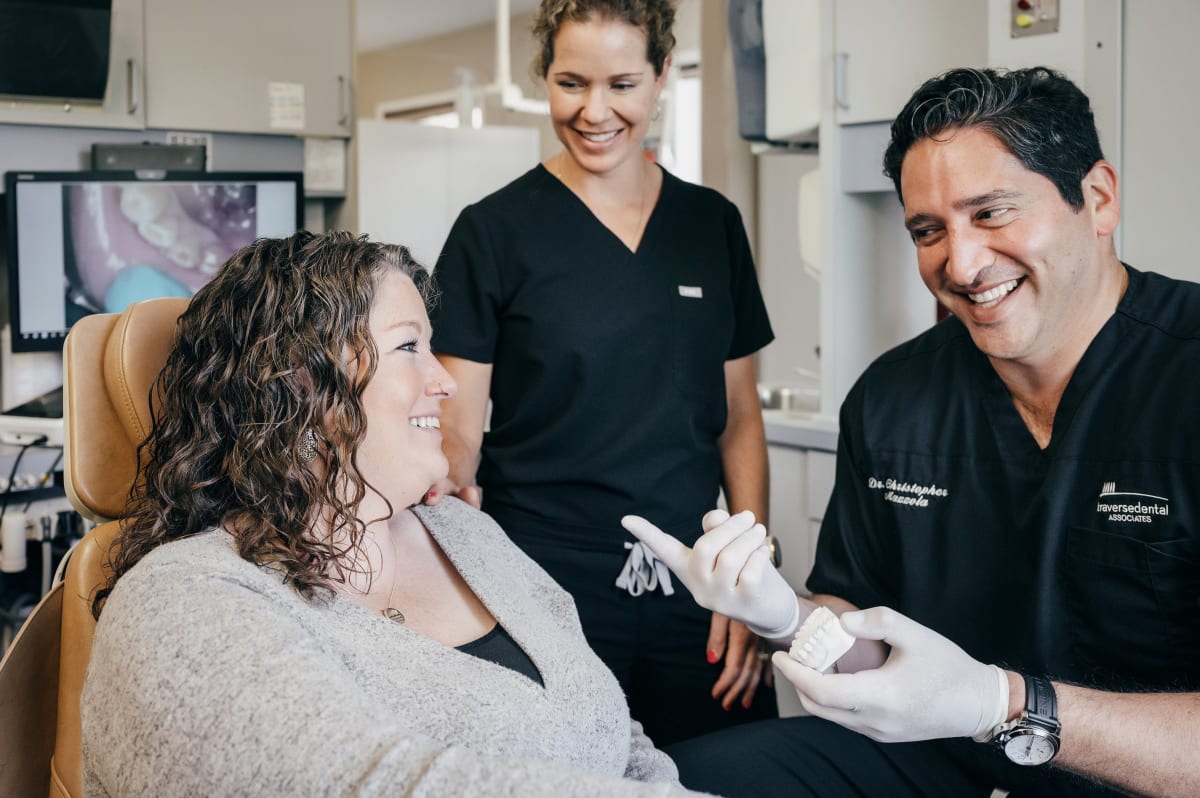
If you've spent years managing one dental problem after another, you already know how tiring it gets. A missing tooth here, a cracked crown there, gum trouble you've been meaning to address for a while.
Eventually the list grows long enough that it's hard to know where to even begin. Full mouth reconstruction is how the team at Traverse Dental Associates untangles that list, building one coordinated plan that rebuilds function, comfort, and appearance in a deliberate order rather than chasing problems one emergency at a time.
The approach brings restorative, cosmetic, and implant dentistry together, sequenced so each step supports the one that follows. Planning comes first and it's thorough, because a rebuilt bite needs to hold up for decades, not just months.
Sedation is available if longer appointments make you uneasy, and we bring it into the conversation early so it can shape how your schedule is built. When you're ready to take that first step, give us a call at (231) 947-0210 and we'll get you on the schedule.
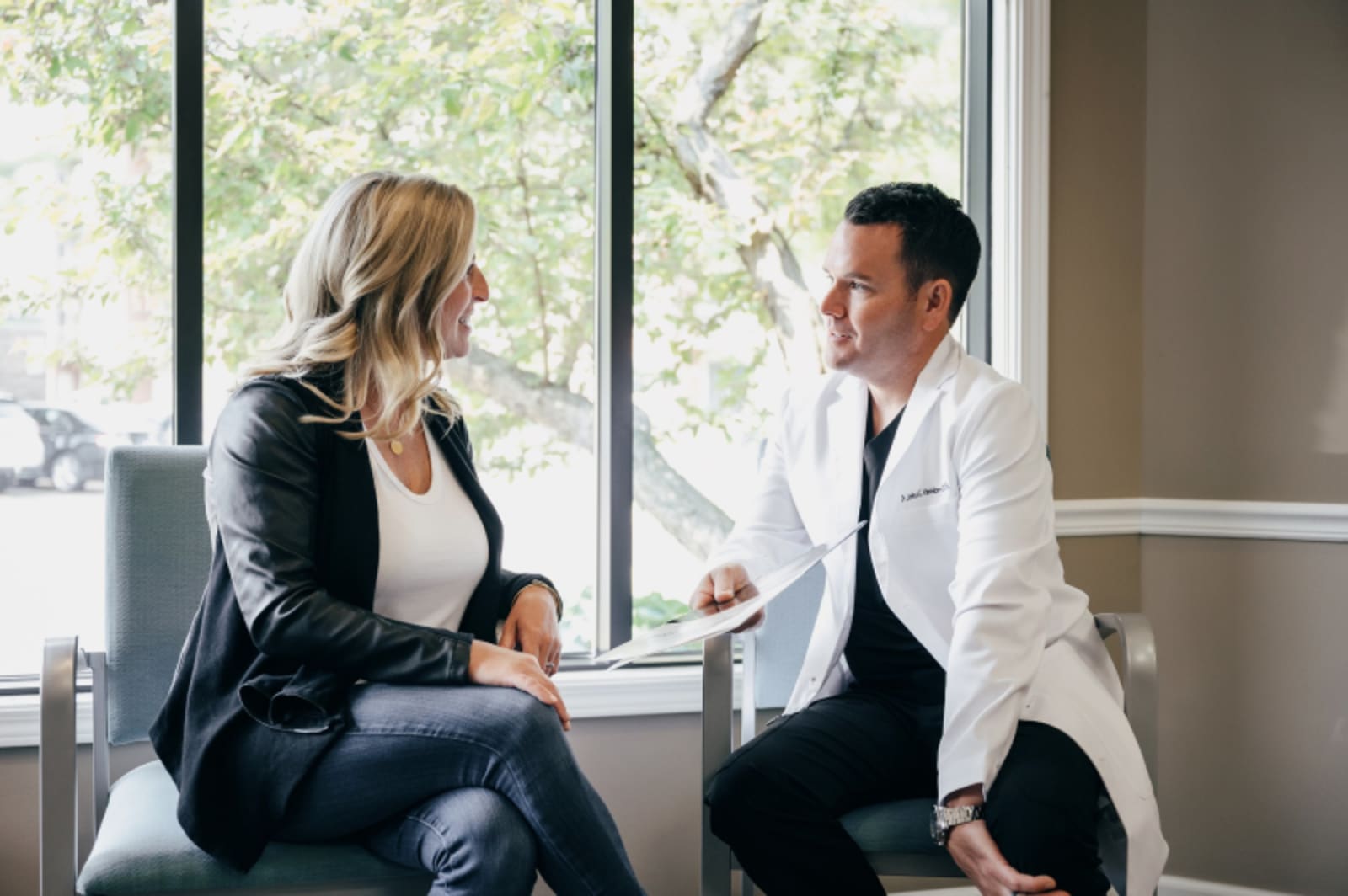
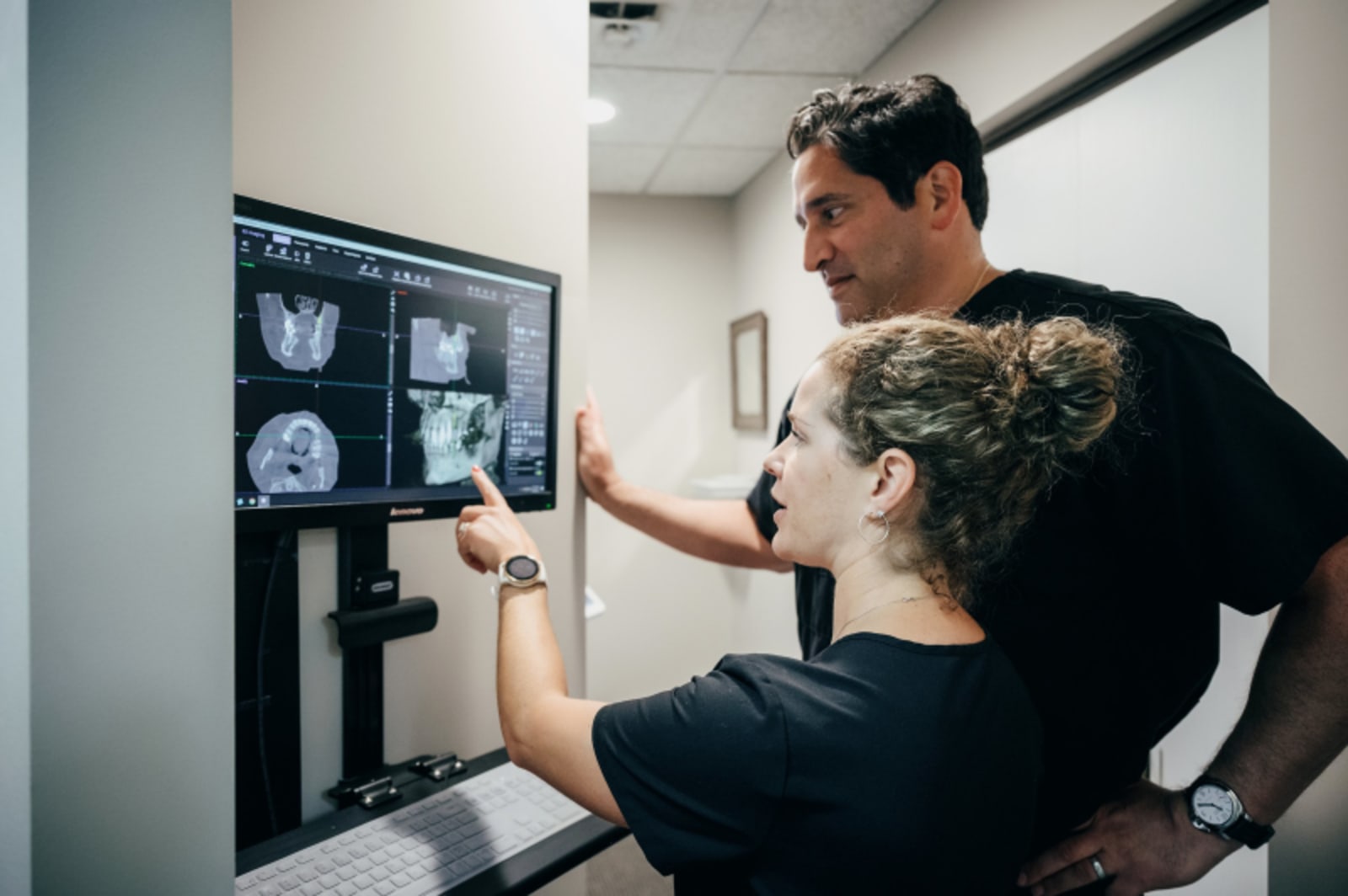
Before we ever look at your teeth, we want to know about you: what has bothered you the longest, what you have learned to live with, and what you actually want out of this process. From there, we move into a thorough exam with imaging that shows bone levels, jaw joints, and existing dental work, along with photos and detailed records of your bite.
This is where the complexity of your case gets carefully sorted out. We look at how your teeth meet (your occlusion), how your jaw joints are behaving, which teeth can be saved, and where dental implants make more sense than attempting heroic repairs. Because our doctors plan cosmetics with your whole face in mind, the result is designed to look like it genuinely belongs to you.
Once the diagnosis is complete, you will receive the full plan in writing, covering what happens, in what order, over what stretch of time, and what each phase costs. We walk through it together and adjust it around your schedule and comfort level, and nothing starts until you fully understand it.
Gum disease treatment, extractions, bone or sinus grafting, and implant placement come first when they are needed, and much of this healing happens quietly while you go about your normal life. When the bite or jaw muscles need time to settle before permanent restorations are placed, a bitesplint may be introduced as part of TMD (TMJ) treatment, giving the foundation the stability it needs before we build on top of it.
Once the foundation is solid, crowns, bridges, veneers, implant restorations, or implant-supported dentures are placed in their final form. We then check the bite carefully, refine it where needed, and set you up with a maintenance rhythm designed to protect the work for the long term.
One of the first things patients notice is that they can eat normally again. Foods like steak, apples, and crusty bread are things people quietly stop ordering when teeth are missing or sore, and reconstruction brings them back. That shift alone changes how people feel day to day.
Jaw and muscle strain often eases once the bite is rebuilt to work correctly, which means clenching, morning soreness, and headaches frequently settle down as well. When jaw pain is part of the picture, our TMD treatment is folded into the plan rather than handled as a separate concern. Worn and broken teeth also stop getting worse, because reconstruction interrupts the cycle where one failing tooth quietly overloads the next.
The appearance side follows naturally from the functional work. Restoring worn-down tooth length also restores facial support, which is why we approach these cases the way we approach a cosmetic smile makeover, starting with the face and working inward to the teeth. The result looks like it belongs to you rather than something placed on top of you.
Gum and bone health are addressed as part of the foundation, not glossed over. Oral infection is a whole-body issue, so gum disease treatment comes before anything permanent goes on top. That sequencing is what separates reconstruction from patch-by-patch repairs, and it is what makes the result hold up over the long term.
Most people exploring reconstruction aren't chasing a dramatic makeover. They're simply tired of working around a mouth that doesn't function the way it should. If any of the following sounds familiar, this may be the right path forward:
That said, reconstruction isn't the right starting point for everyone, and we'll be straightforward with you about that. If only one or two teeth are involved, a single crown, bridge, or veneer will often solve the problem without a larger plan. Active gum disease or an unstable jaw joint needs to be addressed before any permanent restorations go in.
And if your main concern is the color or shape of otherwise healthy teeth, whitening, clear aligners, or veneers are a simpler, more direct route. Whichever category you fall into, we'll tell you plainly.
Reconstruction unfolds in stages because each stage has to hold before the next one goes on top of it. Most plans span several months, and complex cases involving grafting and implants can run longer, since bone and implants need time to fuse before final restorations are placed. The timeline is not arbitrary; it reflects what actually makes the result last.
This is where we gather everything we need to build your plan. We complete a full exam, take imaging, collect records, and spend real time talking through your goals and concerns. By the time you leave, you have a written, sequenced plan in hand so nothing about what comes next is a surprise.
Depending on what your plan calls for, this phase may include gum treatment, extractions, bone and sinus grafting, implant placement, or splint therapy. Temporary restorations are placed as needed so you stay comfortable and functional throughout this stage.
These are the quieter stretches between active appointments, and they matter just as much as the treatment visits. Implant integration and bone healing set the pace during this phase, and rushing it would compromise everything that comes after.
Once the foundation is solid, the permanent work goes on. Crowns, bridges, veneers, or implant-supported teeth are placed, the bite is carefully adjusted, and we confirm everything is working the way it should. How long the overall process takes depends on how many teeth are involved, whether extractions or bone work are part of the picture, and how much healing time each stage requires.
Before treatment starts, bring a list of your medications and any medical conditions, since both affect healing and sedation choices. It also helps to tell us about grinding, clenching, snoring, or morning jaw soreness, because those details can shape the plan in meaningful ways and may point toward TMD treatment or a closer look at sleep apnea alongside the dental work. If you're planning on sedation, you'll need someone to drive you home, and we'll walk you through eating and medication instructions well in advance so there are no surprises.
Once treatment is complete, the work is built to last, though it does require some care to stay that way. Brushing and flossing around implants and crown margins the way we show you goes a long way, and keeping your regular hygiene visits matters too, since we use those appointments to watch the bite and gum tissue for early changes rather than simply cleaning.
If you grind, wearing the splint or nightguard we make for you is the single best thing you can do to protect the investment over time. Beyond that, avoid using your front teeth as tools, and if anything ever feels high, loose, or sore, call us at (231) 947-0210 sooner rather than later.
Reconstruction is a real investment, and what you'll pay depends entirely on what your plan includes: how many teeth are involved, whether implants or bone and sinus grafting are part of the picture, and which restorations finish the case. Before treatment begins, we build a detailed breakdown so you can see exactly what's recommended, why it's recommended, and what each phase will cost.
Insurance tends to behave differently across the pieces of a plan. Restorative work sometimes carries partial coverage, while cosmetic elements generally do not. Our team will walk through your specific benefits with you during the consultation, so there are no surprises going in. If spreading the cost over time is important to you, let us know early so we can build payment arrangements into how the phases are scheduled.
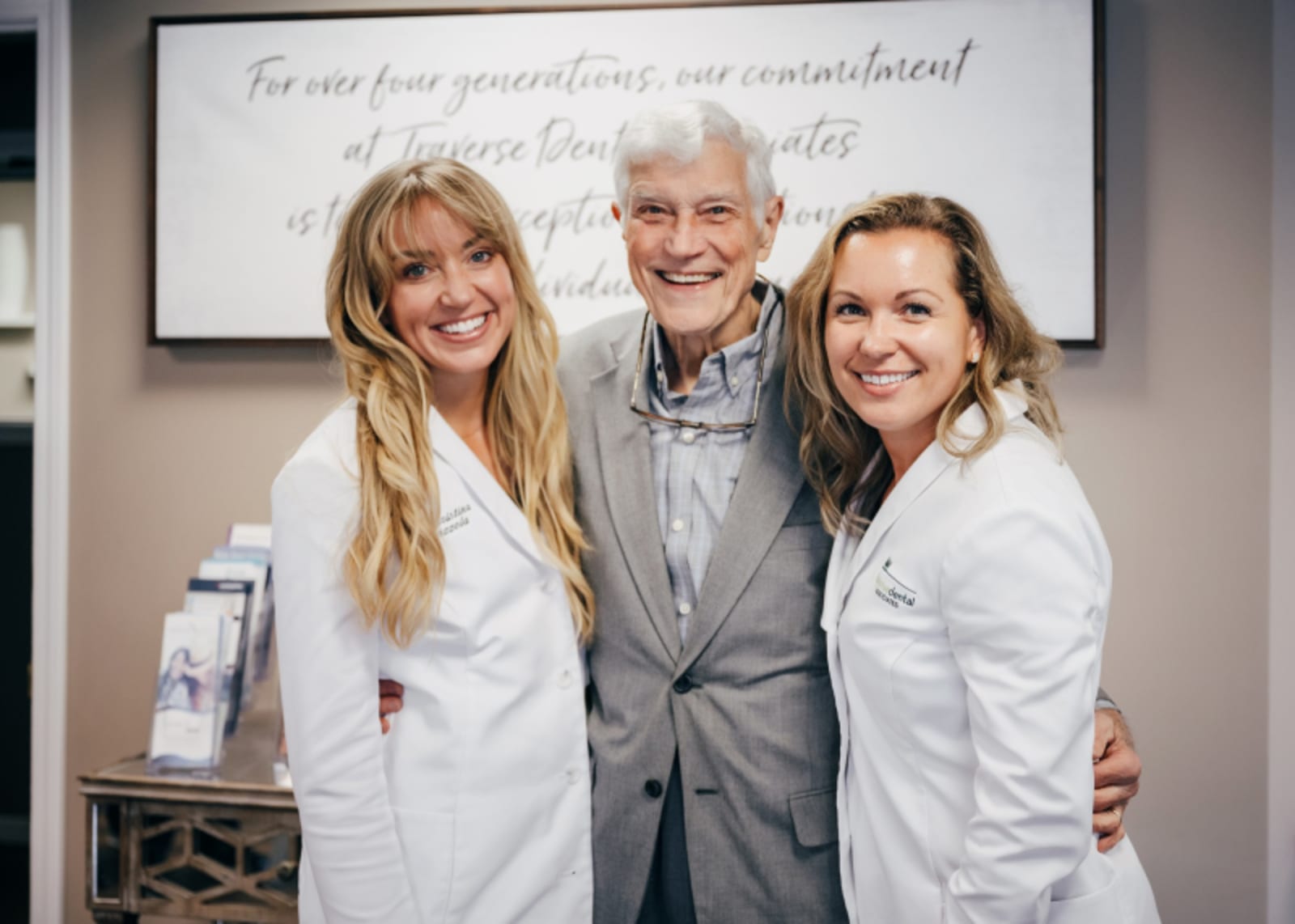
Traverse Dental Associates has been caring for Grand Traverse County since Dr. Mazzola's great-grandfather opened the doors. Four generations later, Dr. Christopher Mazzola and Dr. Christina Mazzola run it together, and that continuity shapes how we practice. We plan for the long haul, because we expect to still be your dentist in twenty years.
A few things that matter specifically for full mouth work are worth knowing before you come in.
A smile makeover is primarily driven by appearance, which makes it a great fit when your bite is healthy and you're mainly unhappy with how your teeth look. Reconstruction starts in a different place: it addresses function and health first, working through things like bite alignment, structural damage, missing teeth, and gum stability.
The esthetic result still follows, but it follows from fixing what's actually wrong, which is why it tends to hold up so much longer. If appearance is your main concern and your foundation is sound, a smile makeover may be the more direct route.
No. Temporary restorations or transitional appliances are placed between stages so you can eat and smile normally throughout the process. You won't be asked to go without.
It depends on the appointment. Many visits are straightforward enough that you can return to your day right after. Surgical stages and sedation visits typically call for a day or two of rest. Before anything is scheduled, we'll walk you through which appointments fall into which category so you can plan accordingly.
Often, yes. Crowns, bridges, and implants that are still structurally sound can be incorporated into the plan rather than replaced. We evaluate each piece of existing work on its own merits and only recommend replacement when it genuinely serves your long-term outcome.
Frequently, yes. If your jaw joint or muscles are unstable, we address that first, sometimes through bite splint therapy, so that the new bite is built to a stable target that won't shift once the permanent restorations are in place. Skipping that step would mean building on an unpredictable foundation, which tends to cause problems down the road.
Well-sequenced reconstruction is built to serve you for decades, not years. How long it actually lasts comes down to a few consistent habits: thorough home care, wearing your bite splint if you grind, and keeping up with regular hygiene visits so we can catch any early changes before they become bigger ones. Dr. Christopher Mazzola, Dr. VanHorn, and Dr. Christina Mazzola are all available to talk through any questions you have along the way.
If you've been carrying a long list of dental problems, the hardest part is usually deciding to sit down and look at it honestly. That's all a consultation is: an exam, a conversation, and a clear picture of your options, whether that turns out to be a full reconstruction, dental implants, a simpler restoration, or nothing more than a cleaning and a schedule to follow.
When you're ready to have that conversation, call us at (231) 947-0210 and we'll find a time that works. You'll find us at 555 S Garfield Ave in Traverse City, open weekdays, and we'd be glad to meet you.
We look forward to meeting you. Call 231-947-0210 to set up your first visit. We'll be in touch soon.
